
Adrien Dorise
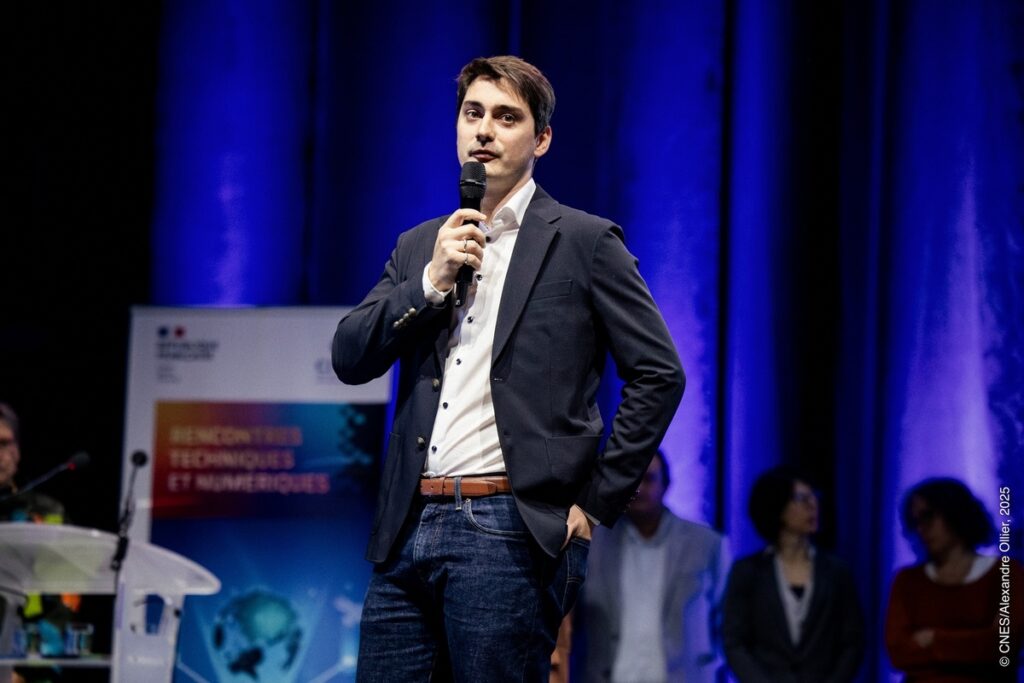
Adrien Dorise holds a position as Research Engineer at the French Space Agency (CNES), France. He received the Engineering degree from the National Institute of Applied Sciences (INSA) in 2018, and his PhD in computer science and embedded systems from INSA Toulouse in 2022. His research interests include artificial intelligence, tiny machine learning, computer vision, explainable AI and space radiation.
He is the founder, developer and composer of Law Tech Productions, an indie game studio, and aims to develop this activity into the creation of serious games, combining his interest in interactive games with his research work.
What’s new?
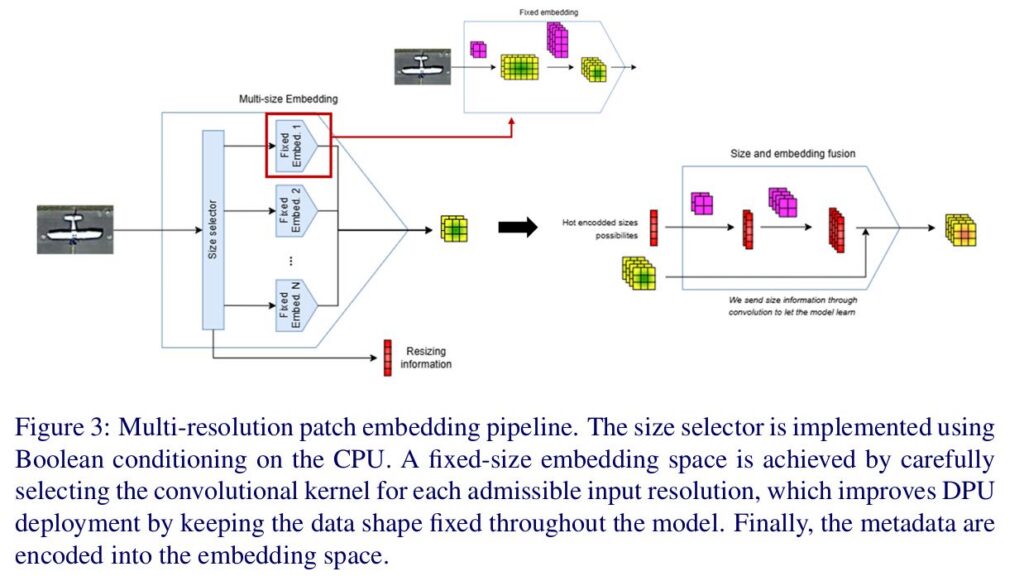
A new paper at BMVC2026
New publication at BMVC 2026! I am proud to announce the publication of our new…
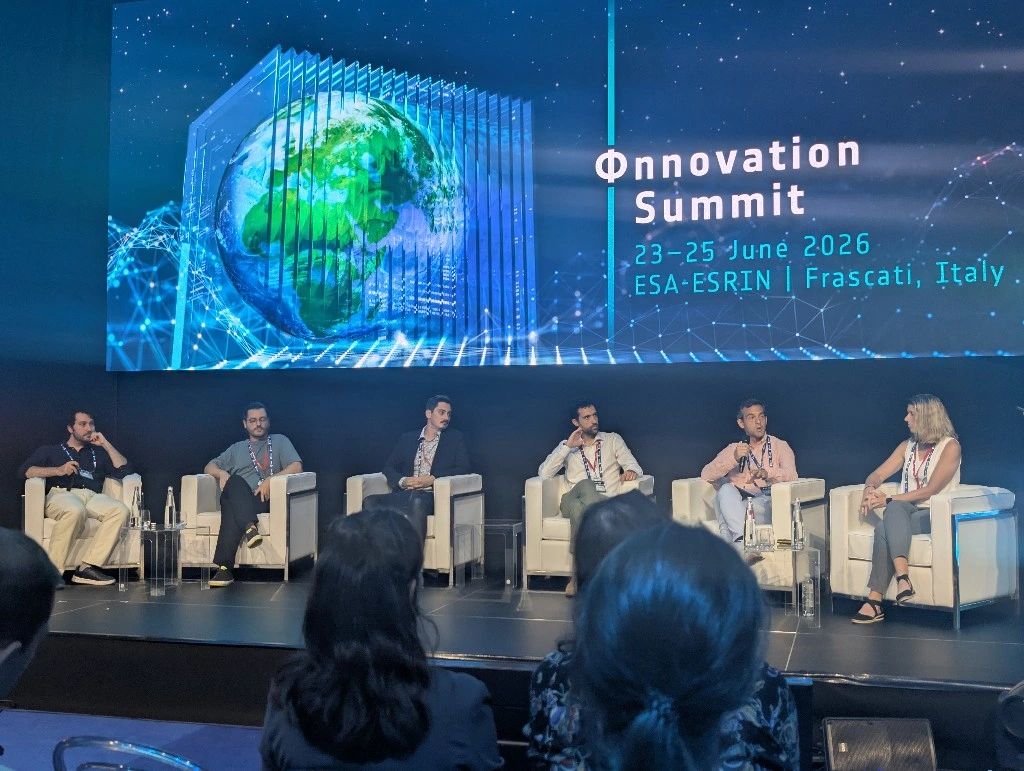
My take about Edge AI at the ESA roundtable
A few weeks ago, I was delighted to be part of an amazing fishbowl at…
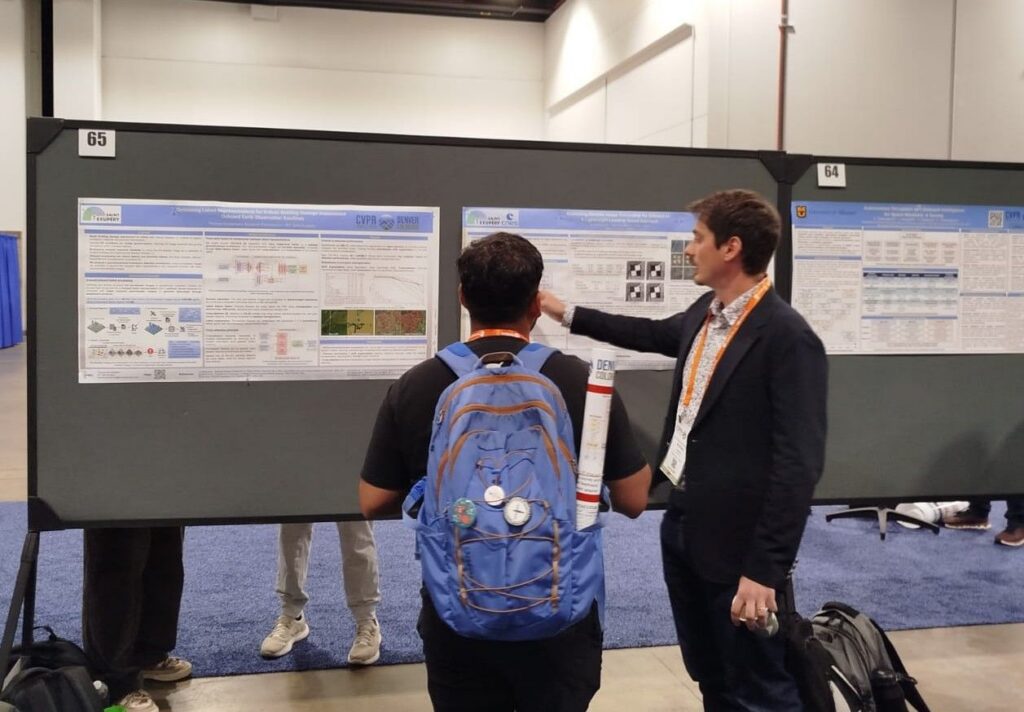
Feedback from CVPR 2026
Feedback from my incredible experience at CVPR last week!I had the opportunity to present our…
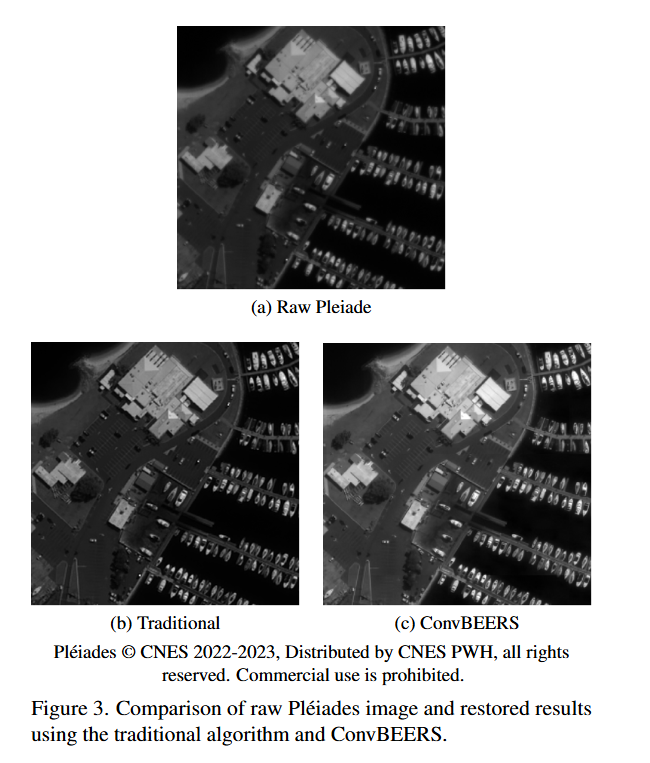
My paper at CVPR!
Very excited to be flying to Denver next week for the upcoming CVPR conference!I will…
Great day at the CNES technical conference
Very proud to have presented my work alongside my colleague Julia Cohen at the Rencontre…
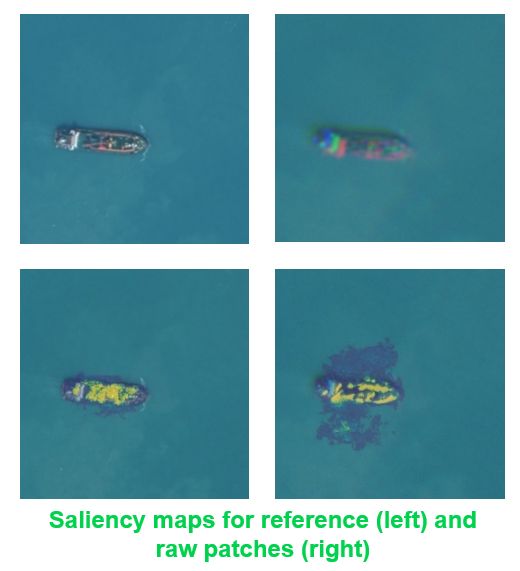
How does AI perceive raw satellite imagery?
Preprint available!I am proud to announce the availability of our new article “Explaining raw data…
I was at the AI4EO 2025 conference!
It’s the end of the holidays, back to work!And what a great way to start:…
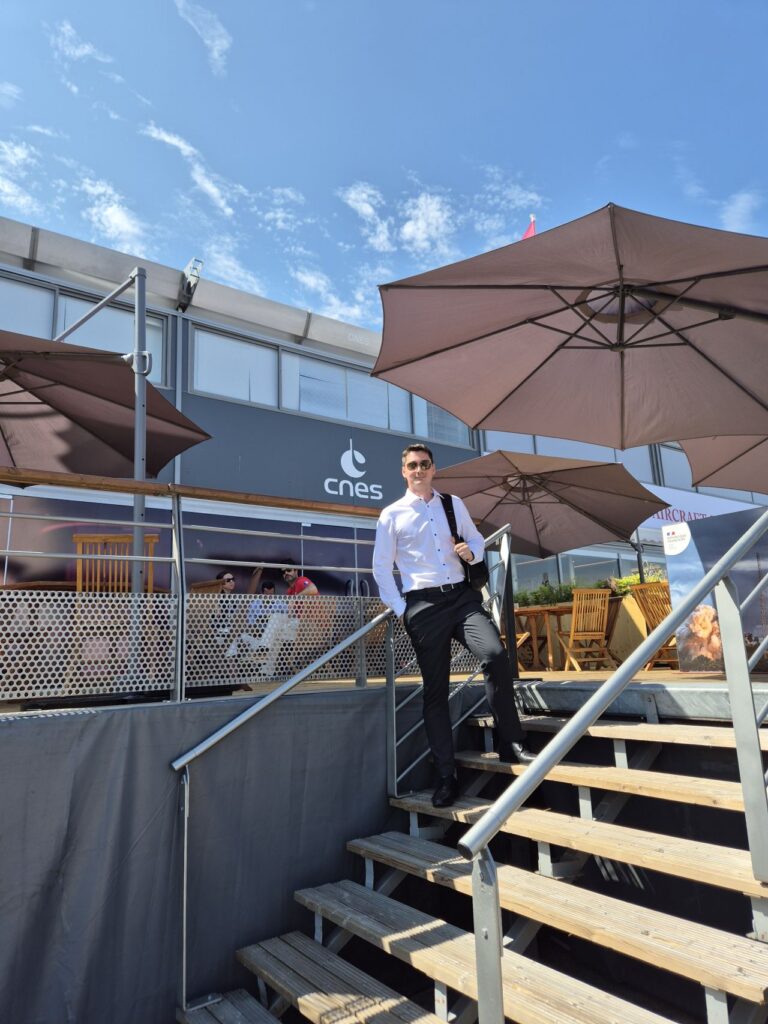
I was at the Paris Air Show 2025!
Throwback to the exceptional International Paris Air Show last week!I had the great pleasure of…
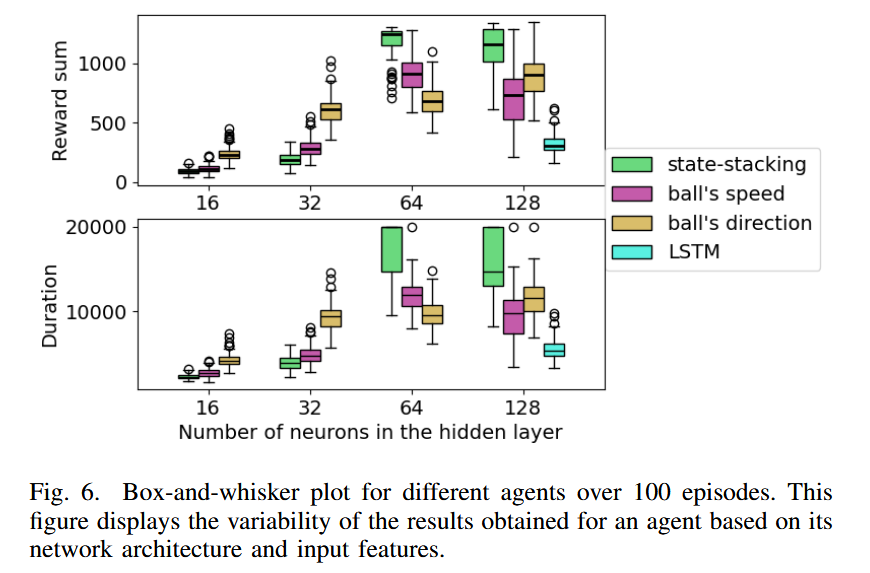
How do neural networks interpret sequential data?
I am excited to share our research paper, “Sequential Decision-Making in Atari 2600 Games: Comparing…
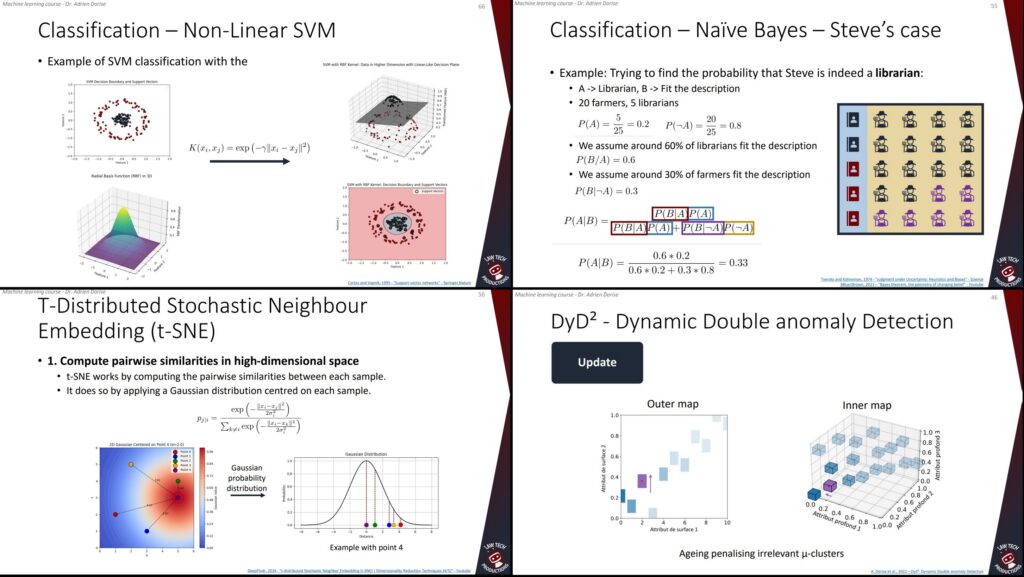
My new Machine Learning course!
I just finished my last lecture on my new Machine Learning Course!I had the privilege…
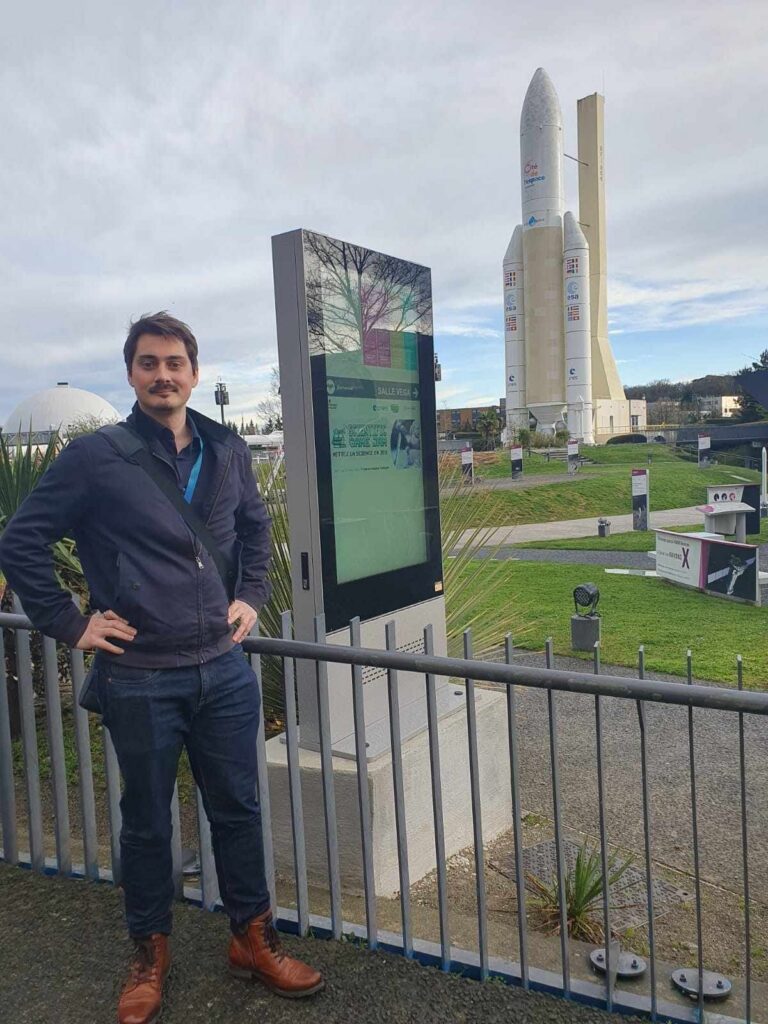
Organising a Scientific Game Jam? No problem!
What an unforgettable weekend!I had the absolute honour and pleasure of being part of this…
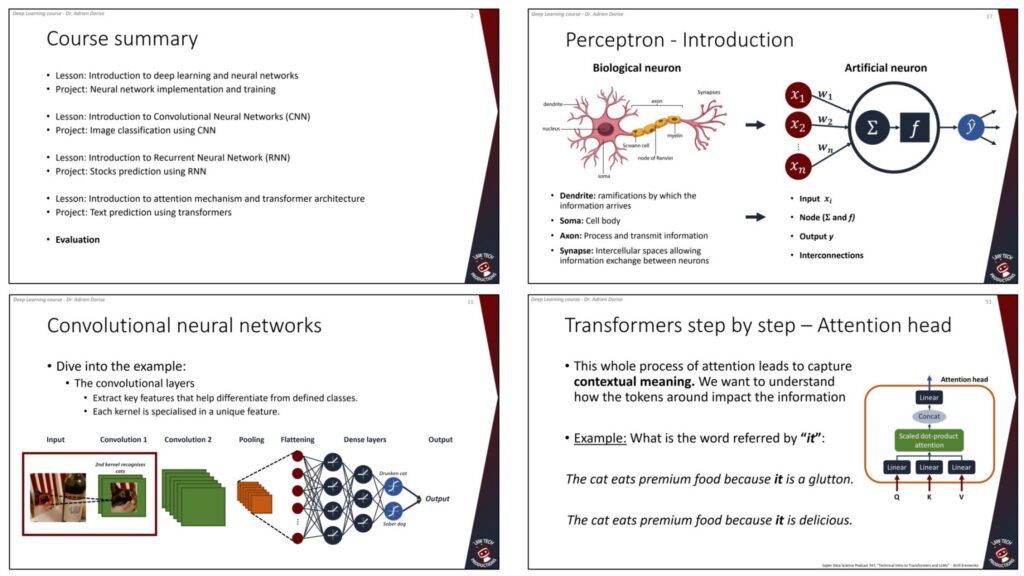
My new Deep Learning course!
Last week, I had the pleasure of wrapping up an intensive deep-learning course for Master’s…
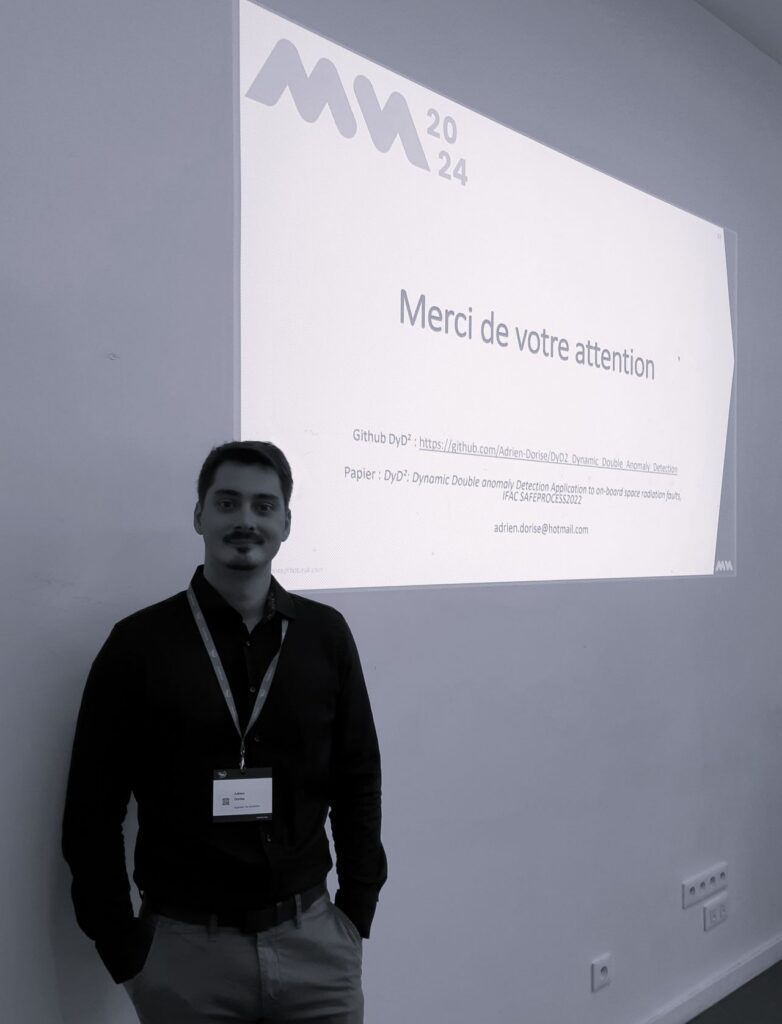
How to integrate AI in space systems?
Two weeks ago, I had the pleasure of hosting a conference about “AI in space”…
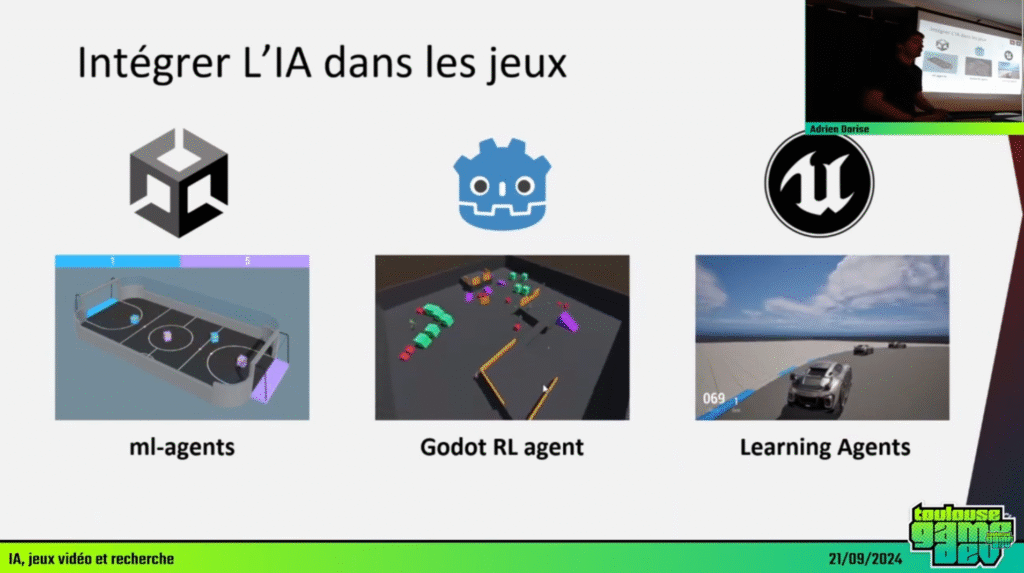
AI, research and video games, the conference!
Not long ago, I spoke at one of the #MasterClass sessions organized by Toulouse Game…
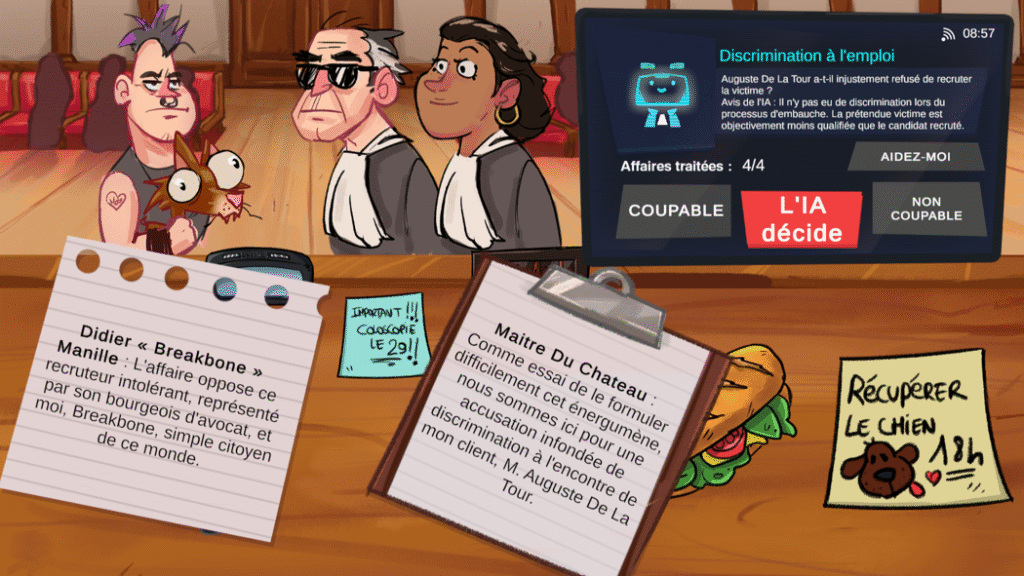
Magistr.IA: when law, research and video games come together
I was thrilled to take part in the 2024 edition of the Scientific Game Jam!The…
Thesis
- Adrien Dorise, “Embedded anomaly detection – Machine learning based radiation hardening of space electronics”. Computer Science and Embedded Systems. INSA de Toulouse, 02/12/2022, hal: tel-03997861
Papers
- BMVC 2026; “TriCCOT: Tri-part Convolutional Conformal Transformer for Space Object Detection“; Adrien Dorise, Marjorie Bellizzi, Julia Cohen, Stéphane May
- CVPR 2026 / AI4SPACE; “Rethinking Satellite Image Restoration for Onboard AI: A Lightweight Learning-Based Approach“; Adrien Dorise, Marjorie Bellizzi, Omar Hlimi
doi: CVPR 2026 Open Access Repository - OBPDC 2026; “Raw Imagery Impacting Your AI: Should You Care?“; Adrien Dorise, Marjorie Bellizzi, Stéphane May
- OBPDC 2026; “Embedded Bi-Temporal Building Damage Assessment for On-Board Data Reduction“; Thomas Goudemant, Benjamin Francesconi, Marjorie Bellizzi, Adrien Dorise
- PFIA 2026; “Self-Attention for Onboard Object Detection in Raw Satellite Imagery“; Adrien Dorise, Marjorie Bellizzi
- EvoAPP 2026, “Assessing Evolving and Learning-Based Controllers for Efficient Cursor Control in Human–Computer Interaction“; Joao Martin–Saquet, Adrien Dorise et al.
doi: https://doi.org/10.1007/978-3-032-23604-3_15 - EDHPC 2025 – European Data Handling and Processing Conference 2025; “Explaining raw data complexity to improve satellite onboard processing“, Adrien Dorise, Marjorie Bellizzi, Adrien Girard, Benjamin Francesconi, Stéphane May
doi: Explaining raw data complexity to improve satellite onboard processing | IEEE Conference Publication | IEEE Xplore; arXiv: https://arxiv.org/abs/2510.06858 - AIR 2024 – Artificial Intelligence Revolutions; “Sequential Decision-Making in Atari 2600 Games: Comparing Temporal Features,”; J. Martin-Saquet, A. Dorise, E. Villain, S. Sanchez and D. Panzoli
doi: 10.1109/AIR63653.2024.00027, hal: https://hal.science/hal-05069376/ - RADECS 2022 – Radiation and its Effects on Components and Systems; “Advanced machine learning for the detection of single event effects” ; Adrien Dorise, Audine Subias, Louise Travé-Massuyès, Corinne Alonso
hal: hal-03789895 - IFAC Safeprocess 2022; “Dyd²: Dynamic Double anomaly Detection: Application to on-board space radiation faults”; Adrien Dorise, Louise Travé-Massuyès, Audine Subias, Corinne Alonso
doi: 10.1016/j.ifacol.20, hal: hal-03609573v2. - RADECS 2021 – Radiation and its Effects on Components and Systems; Machine learning as an alternative to thresholding for space radiation fault detection”; Adrien Dorise, Corinne Alonso, Audine Subias, Louise Travé-Massuyès, François Vacher, Leny Baczkowsky
doi: 10.1109/RADECS53308.2021.9954582, hal: hal-03331030v1
Workshops
- ECNDT 2023 – European Conference of Non-Destructive Testing; “Experimental analysis of planar/volumetric defects in ultrasonics NDT: standardization of evaluation metrics using symbiosis of TOFD and TR-NEWS methods“; Serge Dos Santos, Giuseppe Nardoni, Adrien Dorise, Parnian Hemmati, Marco Feroldi, Pietro Nardoni
doi: 10.13140/RG.2.2.16285.90087 - ePicture this 2023; “Machine learning for computer vision: a case study in human-machine interaction“; Boris Lenseigne, Julia Cohen, Adrien Dorise, Edouard Villain
doi: 10.13140/RG.2.2.36695.44964. - ESCCON 2021 – European Space Components Conference; “Creation of a database for Single events latch-up detection on Atmel SAM3X microcontroller”; Adrien Dorise, Louise Travé-Massuyès, Corinne Alonso, Audine Subias, François Vacher, Leny Baczkowsky
hal: hal-03330093v1. - ADCSS 2020 – ESA Workshop on Avionics, Data, Control and Software Systems; “Anomaly Detection for Radiation Hardening of Space Electronics – Application of Machine Learning Algorithms on an Atmel SAM3X Microcontroller”; Adrien Dorise, Louise Travé-Massuyès, Corinne Alonso, Audine Subias, François Vacher, Leny Baczkowsky
hal: hal-03330033v1.
Posters
- ANITI meeting 2022, “Dynamic Double anomaly Detection through evolving clustering: Application to on-board space radiation faults“; Adrien Dorise, Louise Travé-Massuyès, Audine Subias, Corinne Alonso
hal: hal-03622285.
Selected Projects
- DragonflAI
- DragonflAI is a novel way to implement, train and test artificial intelligence models. Similar to Keras for Tensorflow, it is thought to be an additional layer to the PyTorch API.
- Experiment-centric API: Encapsulate data, model, training, testing, and visualization in one class you control.
- Extensible hooks — Override key methods for training/testing/visualisation to fit simple to complex workflows.
- Dynamic Double Anomaly Detection (DyD²)
- DyD² is a machine learning method to perform embedded anomaly detection on dynamic systems.
- DyD² has been designed to detect single effects in space missions.
- Sound2Clip (On going)
- Sound2Clip is a machine-learning research program that creates custom video clips from audio input.
- At its core, it uses the DragonflAI API.
- First results show that AI models easily interpret audio signals in the form of Fourier transforms.
- Fluid Image Processing
- Program analysing videos of a movig fluid to extract its charactertics (speed, plume’s height, plume’s diameter…).
- It extracts a velocity vector field.
Teachings
Gema / Nexa
- Master level: Machine Learning
- Designed and delivered a 30-hour course on machine learning fundamentals.
- Curriculum covers supervised learning (classification, regression & unsupervised learning).
- Hands-on: https://github.com/Adrien-Dorise/machine_learning_course
- Master level: Deep Learning
- Designed and delivered a 30-hour course on deep learning fundamentals.
- Curriculum covers neural networks, convolutional networks, recurrent networks, and transformers.
- Hands-on: https://github.com/Adrien-Dorise/deep_learning_course
Ynov Campus / Université Champollion
- Master level: Artificial Intelligence & Non-Playable Behaviours.
- Designed and delivered a 35-hour course on reinforcement learning.
- Led project-based evaluation through the creation of an autonomous car under Unity.
- Hands-on: https://github.com/Adrien-Dorise/AI_in_games_course
National Institute of Applied Sciences (INSA)
- Master level: Machine Learning.
- Master level: Deep Learning.
- Master level: Data Visualization.
- Bachelor level: Computer Science (C).
- Bachelor level: Computer Science (ADA).
University of Toulouse
- Bachelor level: Discrete Control.
- Bachelor level: Linear Control.